What ASOS, Zalando and Decathlon Do Differently on Returns
12.09.2026 · 9 min read
Navigation
- 1. ASOS: five parallel printer-free routes, not one2. Decathlon: the long window, which the research supports3. Zalando: the structural answer, built years before the €3 duty made it obvious4. Holland & Barrett: designing for the customer who cannot get there5. Shein: the one nobody wants to cite, and the one that read the regulation correctlyWhat the five have in commonWhat to check before you copy any of thisHow ShopReturns helpsFAQNot sure what your current setup is costing you?
Five European operators who solved the returns click, and what each of them actually did
Every returns software vendor promises remarkable case study numbers, yet almost none of them can be independently verified when matched with named enterprise brands. What can be evaluated, however, are the exact design choices and logistics architectures implemented by Europe’s top operators on their public storefronts. From eliminating home printing requirements to deploying in-market return hubs that bypass post-2026 customs events, the real lesson of enterprise returns management is not found in software widgets, but in the physical networks operating behind the button.
In this article:
- The 5 operator strategies unpicked: ASOS’s printer-free menus, Decathlon’s 365-day endowment effect, Zalando’s 20-hub network, Holland & Barrett’s human fallback, and Shein’s border-avoidance logistics
- Why peer-reviewed research supports time-lenient return windows while printerless drop-off routes eliminate the single largest customer barrier
- How major cross-border brands structure proximity-based processing to protect resale value, avoid the non-refundable €3 EU duty, and balance convenience with commercial controls

1. ASOS: five parallel printer-free routes, not one
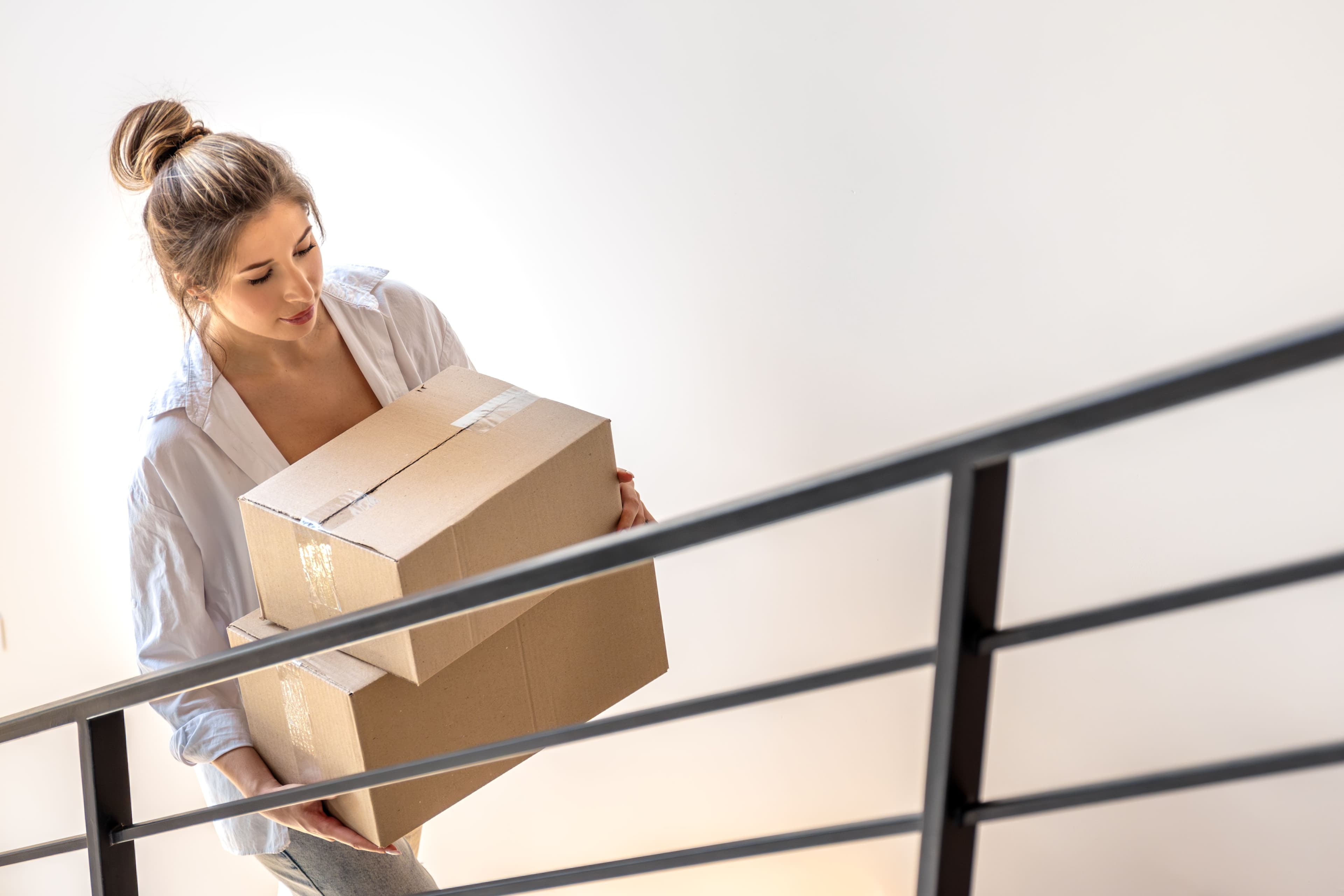
ASOS (UK, selling across the EU) does not offer a returns method. It offers a menu of them, and every single one is built around not owning a printer. From its own UK returns page:
- ASDA toyou, over 630 stores, QR code, no printer required
- InPost, 7,000-plus lockers and shops, no label required, 24 hours a day
- DPD, over 2,500 locations, QR code, open seven days
- Royal Mail and Collect+, over 18,500 locations, QR code
- Royal Mail Parcel Collect, where the postal worker brings the label to your door and collections can be booked up to five days ahead
What problem this solves. Nearly half of shoppers have used parcel shops or lockers for returns, and the single largest practical barrier to a home-printed label is that most households no longer have a printer. ASOS did not pick the best drop-off partner. It removed the question of whether one is near you.
The counterweight worth noting. ASOS also operates a Fair Use Policy for customers whose return behaviour it considers unsustainable, having introduced a $4.99 fee in the US for such accounts. Maximum convenience at the front, targeted commercial controls at the back. That combination is the whole strategic argument in one company.

2. Decathlon: the long window, which the research supports
Decathlon Ireland gives customers 365 days to return an online purchase. Not fourteen. Not thirty. A year.
The mechanics are printer-free in the same way as ASOS: take the emailed QR code to a Post Office branch, where they scan it and print the label for you, free of charge.
What problem this solves. This is the one policy choice with peer-reviewed support behind it. The Journal of Retailing meta-analysis by Janakiraman, Syrdal and Freling found that time leniency reduces return rates, with the endowment effect offered as the mechanism: the longer a customer owns something, the more it becomes theirs. Most retailers shorten windows when returns rise. Decathlon went the other way, hard.
The honest caveat. The window is generous and the return is not free everywhere. In Ireland the An Post route costs €4.95, original shipping fees are non-refundable, and items must come back with tags and original packaging. This is time leniency without monetary leniency, which is a deliberate and defensible combination rather than a contradiction.
3. Zalando: the structural answer, built years before the €3 duty made it obvious
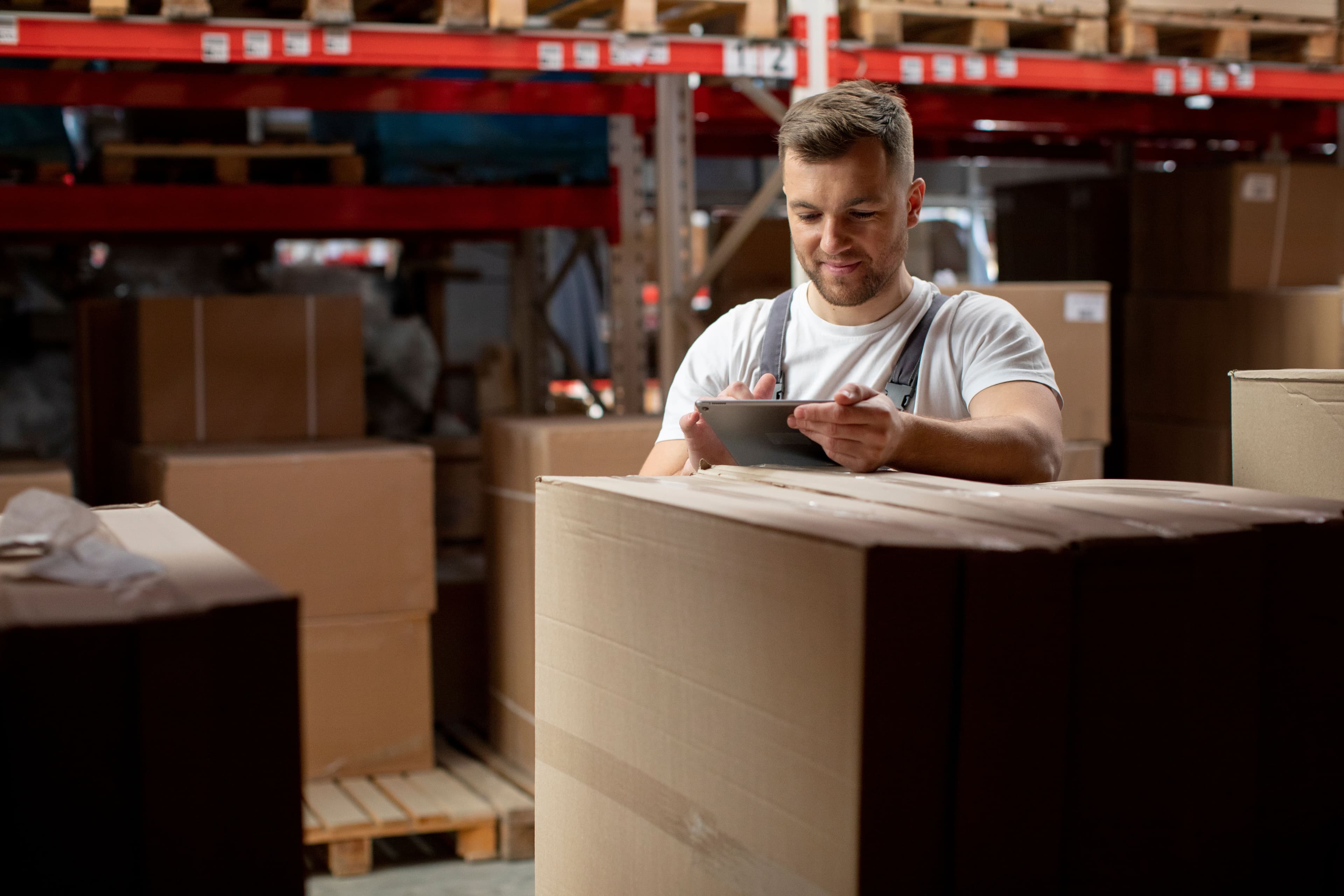
Zalando's own corporate site describes something most brands still do not have. Alongside its logistics centres, it operates a dedicated network of around 20 specialised return centres located close to the sales market, throughout Europe, so it can process, refund and resell returned items as quickly and locally as possible. Returned items are not shipped individually back to a central hub. They are consolidated and moved in bulk.
What problem this solves. Three at once. Refund speed, because the parcel reaches a processing point in days rather than weeks. Resale value, because the item is graded and relisted in the market it came from. And, in the post-July 2026 world, customs, because a return that stays inside the EU generates no customs event and no second duty.
Zalando built this for cost and speed reasons long before the €3 import duty existed. The duty simply made the same architecture worth more.
Where the group also tackled the click itself. A published design case study on the Zalando Lounge returns flow describes the specific problem clearly: the parcels contained no printed return slip and customers complained that printing a label themselves was a hassle, with 70% of surveyed participants saying an enclosed printed label would improve the process. Rather than reinstating paper, the team worked with carriers on digital barcodes that a post office or parcel shop scans and prints. Note the source: this is a designer's own portfolio case study rather than a corporate publication, so treat the detail as illustrative rather than official.
The counterweight, which belongs in any honest account. Zalando's sustainability claims around returns have been challenged. Journalists from SWR, Die Zeit and the research platform Flip sewed GPS trackers into returned garments to trace where they actually went, disputing the company's climate-neutral framing. A well-designed reverse logistics network and a defensible environmental claim are not the same achievement.
4. Holland & Barrett: designing for the customer who cannot get there
A small thing, and the reason it is on this list. Holland & Barrett (UK) offers the now-standard QR route across Evri parcel shops, Royal Mail post offices and InPost lockers, where the location scans the code and prints the label. Then it adds one line that almost nobody else does: if getting to a printer or a drop-off point is not easy, contact us and we will send the label or QR code to you.
What problem this solves. Every self-serve flow has a tail of customers it does not fit: no smartphone, limited mobility, rural address, an older customer who does not want to scan anything. A published human fallback costs almost nothing and prevents that tail from becoming support tickets, complaints and abandoned returns. It is also, incidentally, good practice under the EU rules, which require the electronic function as an additional route rather than a replacement for other means of communicating a withdrawal.

5. Shein: the one nobody wants to cite, and the one that read the regulation correctly
Uncomfortable to include, and it would be dishonest to leave out. Shein opened a 740,000 square metre logistics hub near Wrocław in December 2025 and is shipping more goods in larger consignments from inside the EU.
What problem this solves. Not the click. The border. When France introduced its own €2 parcel tax in March 2026, the head of French customs told parliament that declarations fell from roughly 500,000 a day to about 50,000, because the platforms rerouted through Belgian and Dutch hubs and trucked parcels into France. When the EU-wide duty removed that escape route, the same operators went inside the border instead.
Amazon reached the same conclusion earlier by a different path, telling Reuters that 97% of its EU shipments last year were fulfilled from warehouses inside the bloc.
Worth a mention Set the ethics of fast fashion aside for a moment and look only at the reading of the rules. Three of the largest low-value e-commerce operators in the world independently concluded that the border itself is the cost, and each moved inventory inside it. That is not a returns insight or a customs insight. It is the same insight, arrived at from two directions, and it is available to a brand shipping 50,000 parcels a year just as much as to one shipping 500 million.
What the five have in common
Nobody assumes a printer. All five printer-free routes above put the printing burden on the drop-off point or the courier, not the customer.
Nobody offers one route. Choice of location is what makes the flow usable, and the operators with the widest networks publish them prominently rather than burying them.
The processing sits close to the customer. Zalando's twenty in-market return centres and Shein's Wrocław hub are the same idea at different scales. Speed of refund and recovery of value both improve with proximity, and after July 2026 so does the customs position.
Convenience at the front, controls at the back. ASOS pairs the widest drop-off network with a fair use policy. Decathlon pairs a 365-day window with tag and packaging conditions and a €4.95 postal charge. Neither treats leniency and control as opposites.
None of them fixed this with a button. The button is the visible part. Every one of these operators spent the money on the network behind it.

What to check before you copy any of this
- Whether any part of your return flow requires a printer.
- How many drop-off options a customer in Germany, France or Spain actually has with your setup, and whether you publish them.
- Your return window, and whether it was shortened at some point to control returns.
- Where your returned parcels are processed, and how many days pass between drop-off and inspection.
- Whether returns are resold in the market they came from or shipped home first.
- Whether you have a published fallback for customers who cannot use the self-serve route.
- How many customs borders a returned parcel crosses, and what the €3 duty on the outbound leg cost you on that order.
- Whether your controls sit at the point of request, where they are legally risky, or at intake, where they are not.
How ShopReturns helps
The pattern in all five cases is the same and it is not a software pattern. It is proximity. ShopReturns gives brands the thing Zalando built for itself: local return addresses in nine European markets, so the customer returns domestically with a carrier they already use, no border is crossed on the way back, and no customs event or second duty arises. Items are verified in the Wrocław hub within 48 hours with a barcode scan and a photo-documented check, then handled the way you decide, back into stock, resold in-market, donated or disposed of. Only consolidated bulk travels home, and only when it makes financial sense. You do not need twenty return centres of your own to run the same architecture.
FAQ
Why are there no percentage improvements in this article? Because none of the available figures could be traced to a source that would stand up. Vendor case studies rarely pair a named brand with a verifiable number, and quoting them would make this piece less useful, not more.
Are all five brands EU companies? No. Zalando is German, Decathlon French, Shein operates a major EU hub in Poland. ASOS and Holland & Barrett are UK-domiciled and sell into the EU, which is exactly the position most readers of this article are in.
Does a 365-day window really lower returns? The meta-analytic evidence says time leniency reduces return rates, with the endowment effect as the proposed mechanism. It is category-dependent and worth testing in your own market rather than adopting on faith.
Is including Shein an endorsement? No. It is included because the strategic read was correct and widely copied, and leaving it out would make the article less accurate.
Not sure what your current setup is costing you?
Send us your numbers and we'll run them against the new regime - where the duty is hitting twice, what your return freight actually costs against the goods you recover, and how much of it is avoidable. One working session, and you leave with the figures either way.
Keep reading
More from the knowledge base

The First Black Friday Under the €3 Customs Rules

Where does your return parcel actually go? We tracked 31 British returns (Part 6)